 By

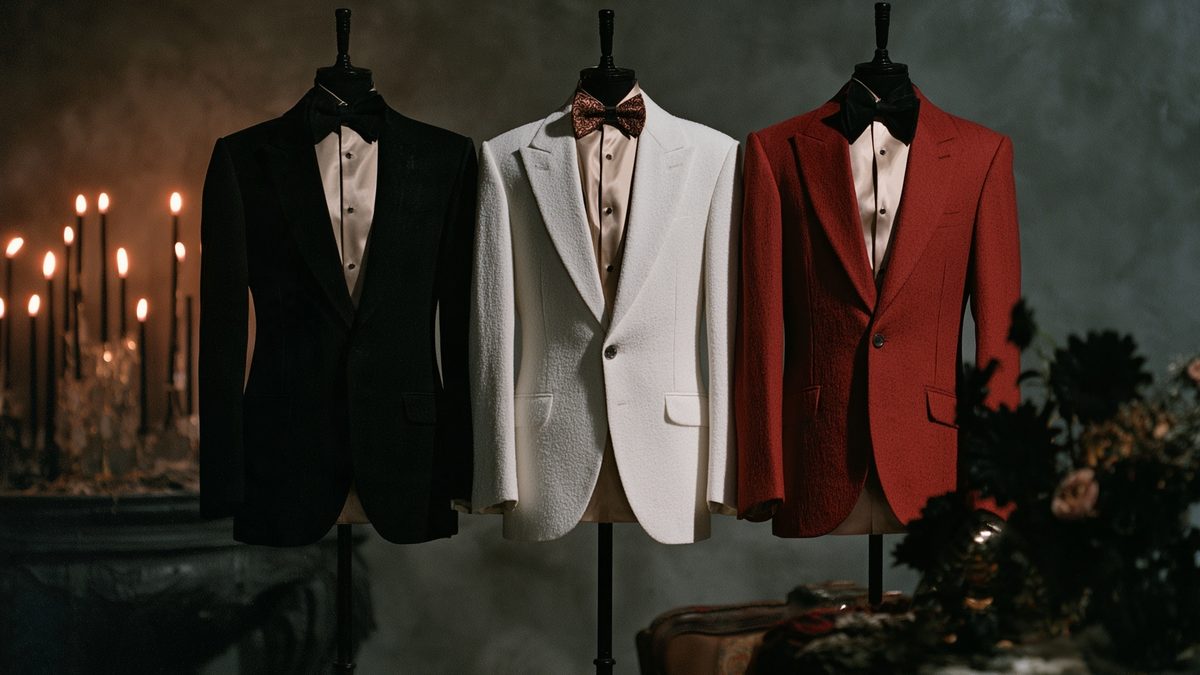
Few garments can communicate as much in as little fabric as the bow tie. It can mark someone as a groom, a waiter, a professor, a rebel, or a head of state. To understand why, you have to go back to when people first began tying cloth around their necks and discovered that doing so said something about status and gave them personality.
Before the Bow
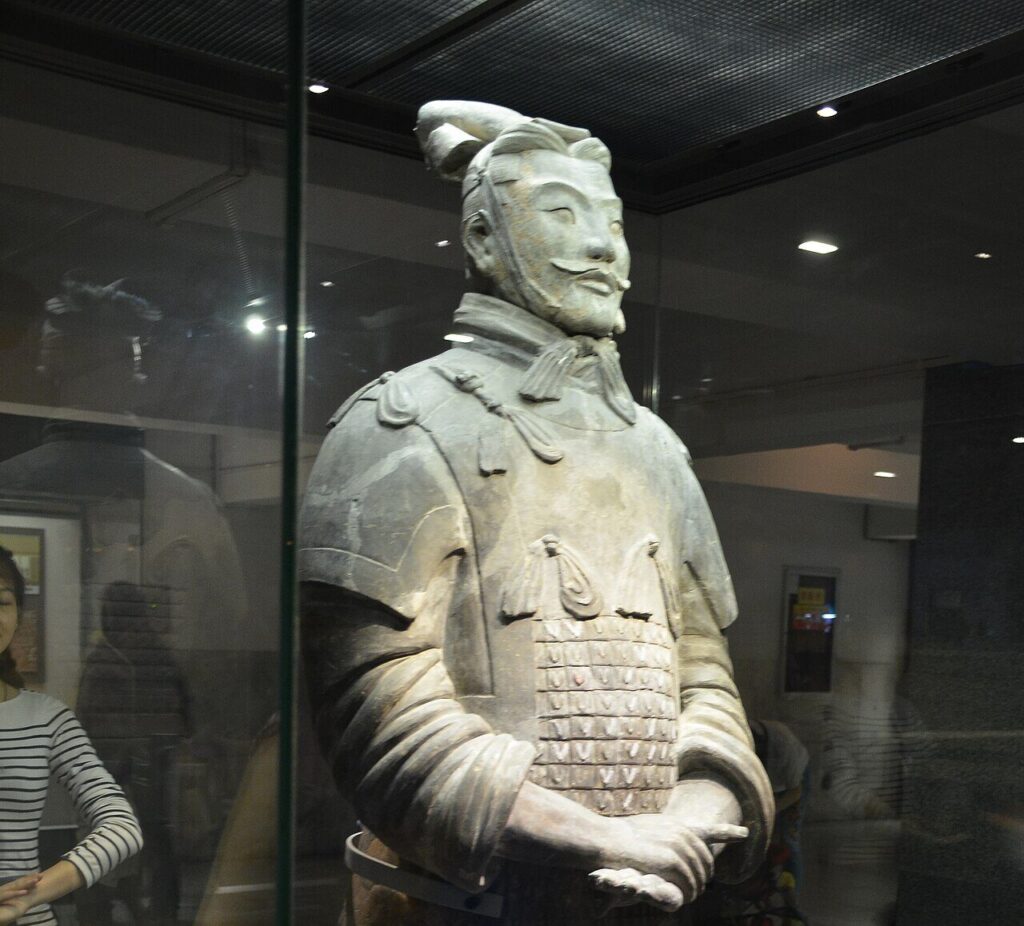
The earliest known neckwear was more practical than decorative. If we go all the way back to the clay soldiers of China’s Terracotta Army, buried around 210 BCE, we find knotted cloths at their throat, sculpted right into the figures. Their real-life counterparts most likely wore hemp, or silk for those of higher rank. More than three centuries later, Trajan’s Column in Rome, completed in 113 CE, shows legionnaires wearing the focale, a scarf that protected the neck from armor and weather. Neither is a tie in the sense we know today, but both are early evidence that neckwear could identify soldiers and their units from a distance.
The Croatian Cravat
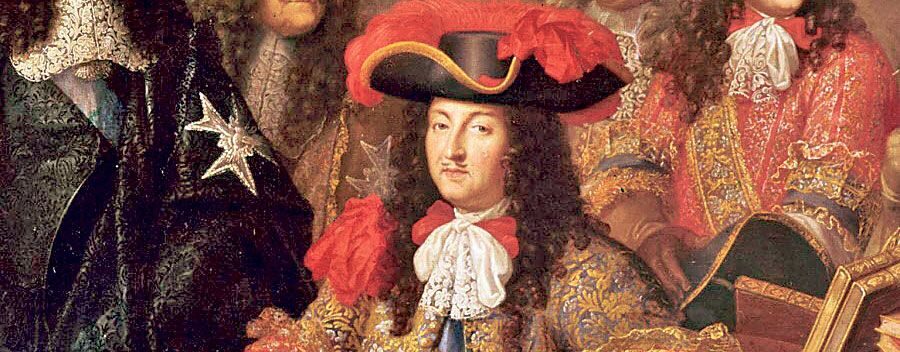
The more direct ancestor of our modern tie is found in Paris in the 17th century. During the Thirty Years’ War (1618–1648), Croatian mercenaries serving France wore distinctive knotted scarves at their collars. French courtiers adopted the look, and the garment took its name from its wearers: cravate, from Croate, the French word for a Croat. Louis XIV embraced it so fully that the cravat became a fixture of court dress, and from Versailles it spread across Europe as a mark of aristocratic refinement.
This was the first great shift in the meaning of wearing a tie. What began as a soldier’s identifying piece became their signature style.

The Art of the Knot
By the early 19th century, the cravat had become a test of skill and status. The English dandy George “Beau” Brummell made the starched, precisely tied neckcloth central to gentlemanly dress.
An 1818 satirical pamphlet, Neckclothitania, catalogued fourteen distinct knots, a sign of how seriously the fashionable took the matter.
Tying your cravat poorly was deemed a social failure. A well-tied one came across as disciplined and full of taste.
The Bow Takes Shape
Over the 19th century, the cravat divided into two narrower forms. One became the long necktie. The other, knotted at the center with symmetrical loops, became known as the bow tie. As evening dress formalized, the bow tie found its lasting role. White tie became the uniform for the most formal occasions. The dinner jacket, popularized in America in the 1880s and later known as the tuxedo, paired naturally with a black bow tie, and that is the origin of “black tie” as a dress code.
The bow tie also spread beyond Europe. In Mexico, the traditional charro suit, the formal dress of the country’s horsemen, developed its own distinctive bow called the moño. It is broad, dramatic, and unmistakably Mexican. It’s not the origin of the bow tie, as is sometimes claimed, but it is one of its most striking regional reinventions.
One Accessory, Many Meanings
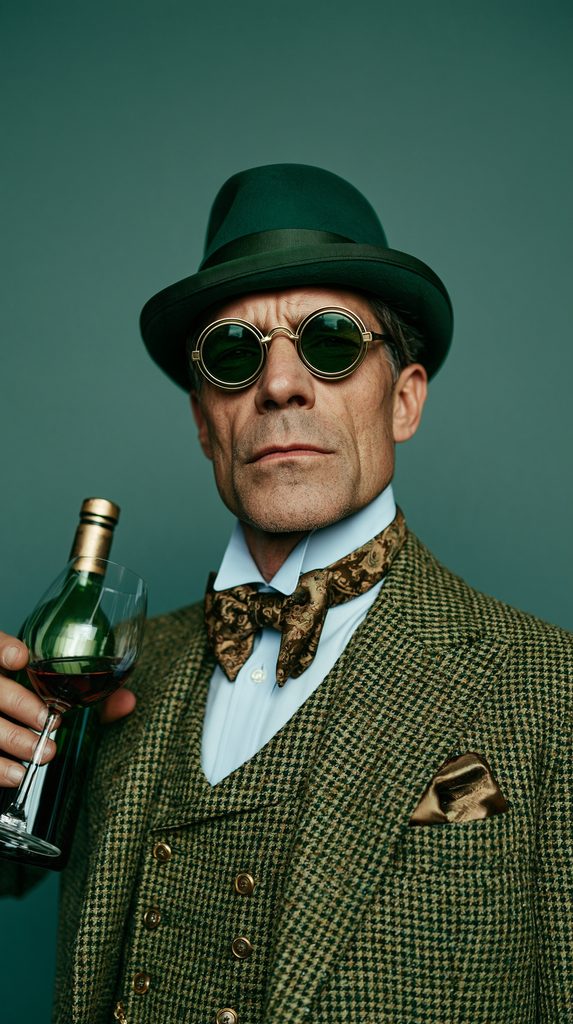
In the 20th century, the bow tie carried several meanings all at once, depending on who was wearing it and the setting they were in:
- Formality. At galas and weddings, a black or white bow tie signaled the highest of occasions.
- Service. Waiters, butlers, and hotel staff wore it as part of a uniform, marking the line between host and served.
- Intellect and independence. Professors, architects, and physicians adopted it, the physicians partly because it doesn’t dangle into a patient’s way.
Few accessories have managed to mean “elite” and “staff” at the same time, but that tension is part of what makes the bow tie so interesting.
Women and the Bow Tie
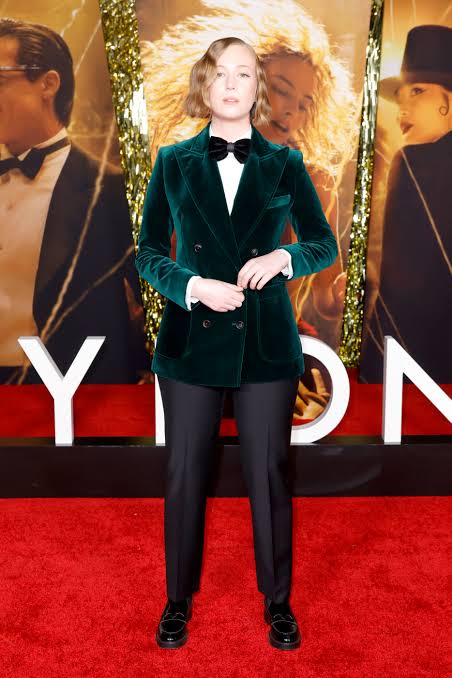
The bow tie as a statement of power becomes clearest in women’s relationship with it. When women adopted menswear neckwear, the gesture was rarely a neutral one.
The groundwork was laid early. Marlene Dietrich wore full white tie and tails on screen in 1930, and Yves Saint Laurent’s Le Smoking brought the tuxedo into women’s fashion in 1966. But it was Diane Keaton who made menswear feel personal rather than provocative. As the title character in Annie Hall (1977), she paired a man’s shirt, vest, wide trousers, and a loosely knotted tie with a bowler hat, and a generation of women followed her lead. Keaton, who died in October 2025, wore that wardrobe for the rest of her life: ties, hats, high collars, and suits worn not as costume but as herself. She proved that borrowing from the men’s closet didn’t have to be a statement against anything. It could simply be style.
Today’s women have taken that freedom further. Janelle Monáe built her early career around a signature black-and-white tuxedo, and actor Hannah Einbinder arrived at the 2022 Critics Choice Awards in an Armani tuxedo complete with cummerbund and bow tie. For this generation, a bow tie on a woman isn’t borrowed from anyone. It’s part of the wardrobe, worn to play with gender rather than argue about it.
Materials
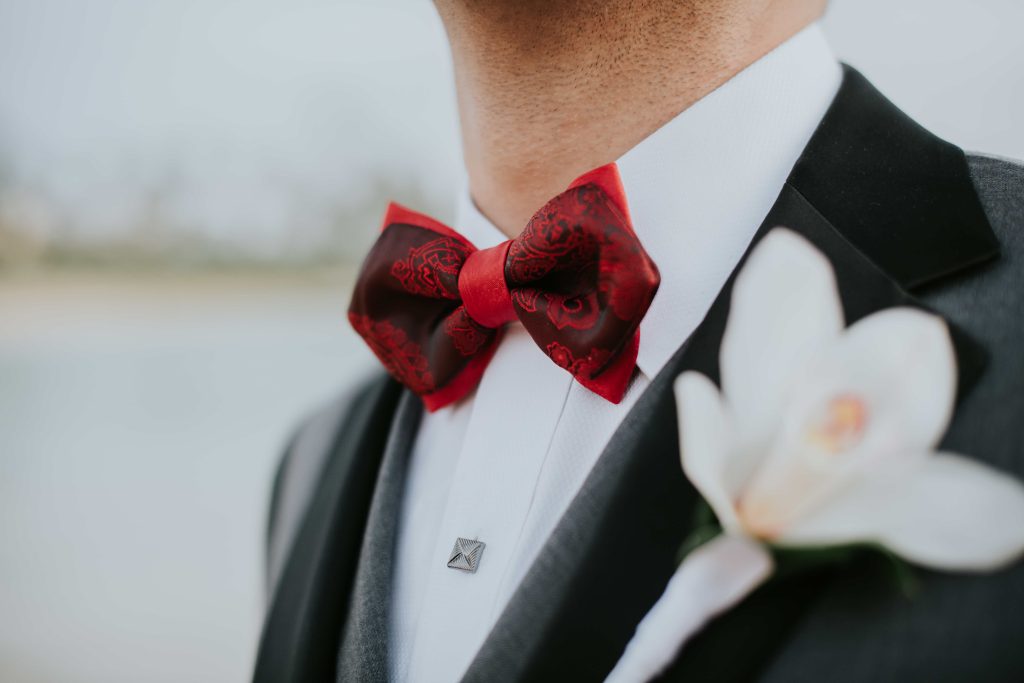
The bow tie’s materials have tracked its social life. Its ancestor, the early cravat, was made of linen, muslin, and lace, prized for whiteness and crispness. Silk became the standard for formal bows, often matched to the lapel facings of a dinner jacket. Wool, flannel, cotton, and linen serve daytime and casual wear, while grenadine, an open-weave silk, is favored by connoisseurs for its texture. More recently, makers have experimented with wood, cork, leather, and recycled materials, turning the bow tie into a canvas for craft and personality.
The Future of the Bow Tie
The future of the bow tie looks less like a revival and more like an expansion. There are several trends to watch:
- Gender-neutral tailoring, where the bow tie is part of a shared wardrobe rather than a borrowed identity.
- Sustainability, which is pushing makers toward deadstock fabrics and upcycled textiles.
- The self-tied bow, which is enjoying renewed respect as a small act of skill in an era of convenience, much as it was in Brummell’s day.
What won’t change is the bow tie’s core function. Whether the message is celebration, service, rebellion, or confidence depends entirely on who ties the knot. It is no longer about social class but a statement piece to say who you are without verbally saying anything.
by: Brett Cambria for VESEY
Look and feel your best!! – Learn about our Vesey style services, custom bow-tie and accessories options, and our virtual tailoring services – https://veseyexclusive.com/exclusive-services
Not sure where to start to decide your new custom look? – Schedule your complimentary virtual design session!